Learn at your pace
Direction is more important than speed. Many are going nowhere fast.Direction is more important than speed. Many are going nowhere fast.
I share my experience competing in the GitLab Hackathon. I'll cover my strategy to win, the unexpected controversy with documentation MRs, and why my 2nd place, while not the goal, feels like a victory.
Discover the inspiring journey of a developer who went from making small documentation changes to being named GitLab's Notable Contributor for version 18.5. This personal account details the path from initial contributions in Golang projects, like the GitLab CLI and Terraform provider, to the surprising nomination and ultimate recognition. Learn about the challenges, the growth, and the incredible feeling of contributing to a platform you love. If you've ever considered contributing to open-source, this story will show you that developers of all levels can make a significant impact and find unexpected rewards along the way.
Many developers know GitLab simply as an alternative to GitHub. This article shows you why it's much more than that: it's a gateway to the open-source world that can boost your professional growth. Discover the advantages of its community, its rewards system, and events like Hackathons that await you.
Are you preparing for a Solutions Architect interview and want to master security concepts? This complete guide is your starting point. We break down the fundamentals of encryption in a simple and direct way: learn the difference between an algorithm and a key, when to use symmetric vs. asymmetric encryption, and how these concepts are applied in the real world with practical examples from key AWS services like S3, KMS, EBS, and SSH. Read this article and confidently answer encryption questions in your next interview!
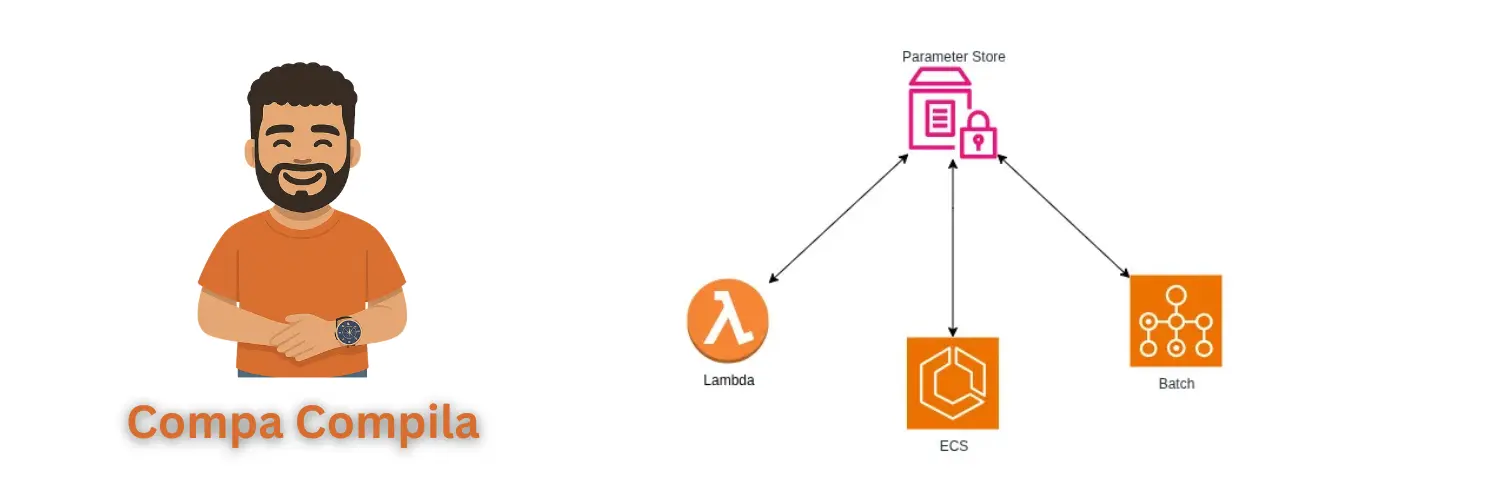
Managing environment variables across 40 microservices can be chaotic and insecure. Discover how we tackled this challenge by centralizing secrets and configurations with AWS Parameter Store instead of AWS Secrets Manager. This article offers a step-by-step guide, including Go code examples, to improve your system's security and simplify operations.
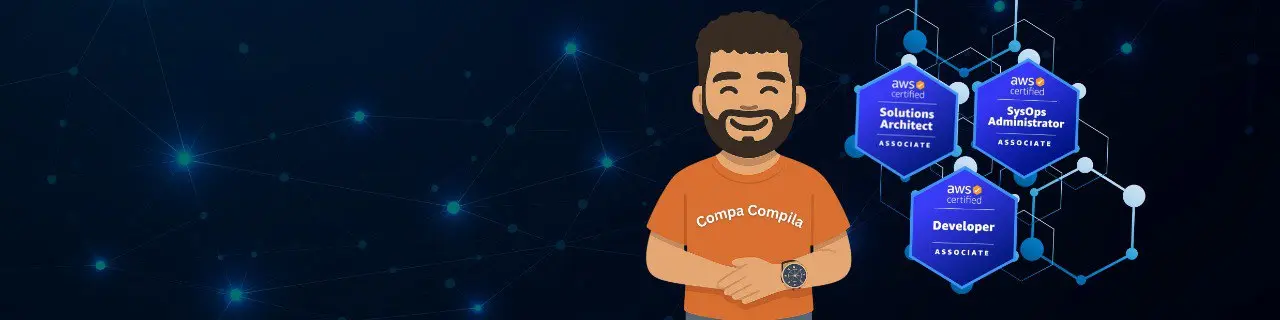
Mission accomplished! I'm proud to have completed the AWS Associate core by obtaining my Solutions Architect, Developer, and SysOps Administrator certifications. Learn about my journey to the SysOps Admin exam, the essential operational knowledge, and why these three certifications are a game-changer for cloud professionals. Find out what's next for my professional growth!
Get latest posts delivered right to your inbox